Navigating Certification Protocols in Multi-Variant Wheel Play on Wireless Platforms with Integrated Dealer Streams and Reward Triggers
Written by Nils Lorenz · Nov 2, 2026
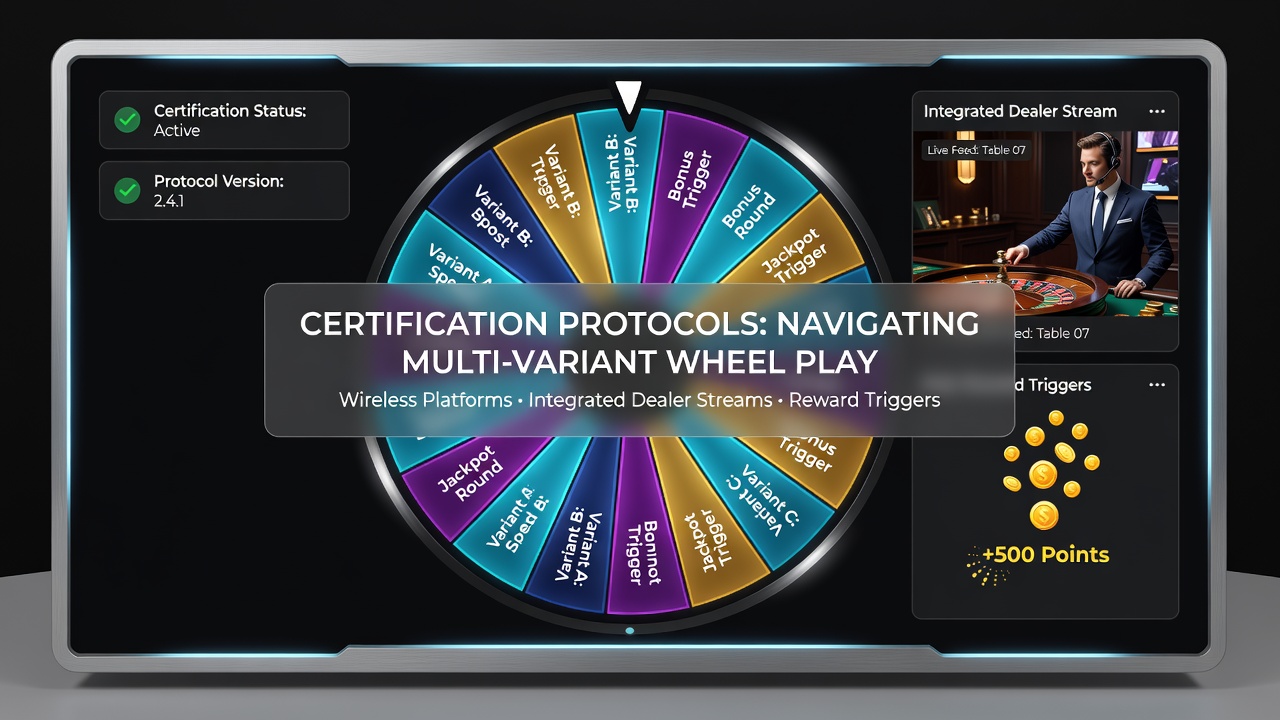
Navigating Certification Protocols in Multi-Variant Wheel Play on Wireless Platforms with Integrated Dealer Streams and Reward Triggers
Certification protocols for multi-variant wheel play on wireless platforms require operators to align software variants with regulatory standards across multiple jurisdictions, and these frameworks incorporate live dealer streams alongside automated reward triggers that activate based on session data. Observers note that systems must verify wheel types such as European, American, and French configurations while maintaining real-time integration with streaming feeds from physical tables or hybrid setups.
Core Elements of Multi-Variant Systems
Multi-variant wheel play involves simultaneous support for different wheel geometries and rulesets, whereas wireless platforms transmit these sessions through mobile networks that demand low-latency encryption and device compatibility checks. Research indicates that operators must submit each variant to testing laboratories for random number generator audits, and certification bodies evaluate whether reward triggers comply with payout percentage requirements that vary by region. Data from the Malta Gaming Authority shows that approval timelines average between four and eight weeks when submissions include comprehensive logs of integrated dealer streams.
Wireless Platform Requirements
Wireless platforms operate under standards that address signal stability, user authentication, and session continuity, while integrated dealer streams add layers of video compression and synchronization protocols that regulators examine for fairness. Those who've studied certification processes know that authorities in Canada and Australia require separate validation for mobile applications versus desktop interfaces, and reward triggers must log every activation event with timestamps tied to specific wheel outcomes. Figures reveal that platforms handling multi-variant play processed over 12 million sessions in the first half of 2026, prompting updates to testing criteria ahead of November 2026 regulatory reviews.
Integration of Dealer Streams and Reward Mechanisms
Integrated dealer streams combine video feeds with game logic engines, and reward triggers activate bonuses or multipliers when predefined conditions occur during live sessions. Experts have observed that certification now includes stress testing for stream interruptions, because any desynchronization between the dealer feed and the wheel outcome can affect trigger accuracy. According to reports from the Nevada Gaming Control Board, operators must demonstrate that reward systems reset correctly after network handoffs between 5G and Wi-Fi connections. But here's the thing: protocols also mandate audit trails that capture both player actions and dealer interactions in a single encrypted file format.
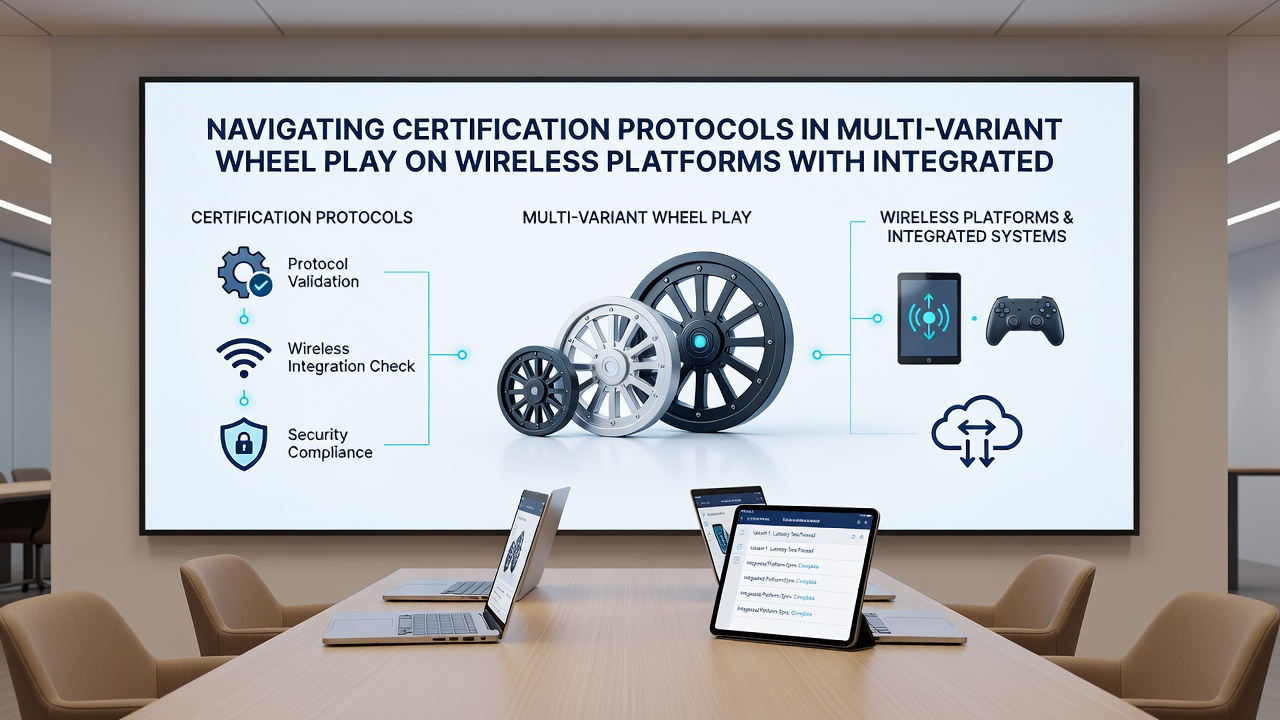
Studies conducted by the University of Nevada, Reno gaming research group found that platforms using hybrid wheel models achieved 99.7 percent synchronization rates after implementing updated certification checklists. Those checkpoints cover everything from seed generation for virtual wheels to cryptographic verification of live results, and they extend to reward trigger thresholds that must remain consistent across all variants.
Regional Regulatory Approaches
Regulatory bodies in different regions apply distinct criteria to the same technical components, and operators navigating these frameworks often coordinate submissions through centralized testing houses. The Australian Communications and Media Authority requires evidence that wireless platforms prevent unauthorized access to dealer stream controls, whereas the iGaming Ontario framework emphasizes reward trigger transparency for player protection reports. Observers note that November 2026 marks the scheduled alignment meeting between European and North American standards bodies, which could streamline multi-variant approvals for platforms already certified in one jurisdiction.
Testing and Compliance Procedures
Testing laboratories evaluate the full stack from wheel physics simulation to reward delivery logic, and certification passes only when all components demonstrate independent functionality under simulated network conditions. People who've worked with these protocols report that integrated dealer streams undergo separate scrutiny for visual integrity and outcome fairness, while wireless delivery systems receive checks for data integrity during packet loss scenarios. Research from the European Gaming Institute indicates that platforms incorporating at least three wheel variants required an average of 22 percent more test cases than single-variant deployments in 2025.
Documentation and Ongoing Oversight
Documentation packages submitted for certification include source code reviews, live stream architecture diagrams, and trigger probability models that regulators cross-reference against historical session data. Ongoing oversight involves periodic re-certification when platforms introduce new reward mechanisms or update wireless protocols, and authorities in multiple jurisdictions now share audit findings through secure databases to reduce duplication. What's interesting is that these shared systems have shortened review periods for operators maintaining continuous compliance records.
Conclusion
Certification protocols continue to evolve as wireless platforms expand their multi-variant capabilities and dealer stream integrations grow more sophisticated. Reward triggers remain subject to the same rigorous validation as core game mechanics, and regional authorities coordinate their approaches to maintain consistent standards. Operators that prepare thorough documentation and engage early with testing laboratories position themselves to meet requirements scheduled for review in November 2026 and beyond.